What Seniors Recovering At Home Need After A Stroke
July 2, 2026
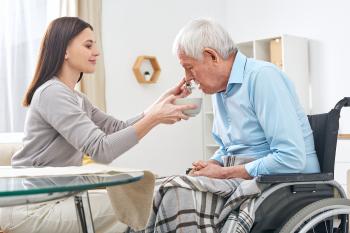
If your senior parent has had a stroke and they want to finish their recovery at home, they need in-home care. In-home care is essential for seniors who are recovering from a stroke, especially if you can’t be with them because of your job or other responsibilities.
Seniors who come home to recover from a stroke often have debilitating fatigue, muscle weakness, and sometimes paralysis that can make getting around difficult, dangerous, or even impossible.
When your parent has in-home care during their recovery, someone will be in the home with them to help them get around, make meals, wash clothes and sheets, and much more. With a home care provider there every day, your parent will be able to focus on rest and recovery.
What Seniors Need During Stroke Recovery
In-home care is the first thing that you should have in place when your parent comes home from the hospital. But in order to recover fully, your parent may also need:
A Safe and Accessible Home Environment
After a stroke, balance problems and weakness can increase the risk of falls. Making the home safer is often one of the first priorities.
There should be grab bars in the bathroom, non-slip mats, and improved lighting throughout the house. Removing throw rugs and clutter from walkways can also help prevent accidents. Some stroke survivors may need a shower chair, raised toilet seat, or handrails near steps.
Creating a safer environment allows your parent to move around with greater confidence and reduces the chances of injury during recovery. An in-home care provider can help you make the house safer and more accessible for your parent during their recovery.
Physical, Occupational, and Speech Therapy
Many stroke survivors need ongoing rehabilitation after returning home. Therapy plays a major role in helping your parent regain strength and relearn important skills.
Physical therapy focuses on improving balance, mobility, and coordination. Occupational therapy helps your parent perform everyday activities such as dressing, bathing, and preparing meals.
Speech therapy can address communication difficulties and swallowing problems that sometimes occur after a stroke.
Mobility Equipment
Some stroke survivors experience weakness on one side of the body or have difficulty walking safely. Depending on your parent's condition, certain equipment may be necessary.
Walkers, canes, wheelchairs, and transfer devices can provide support and improve safety. Hospital beds, lift chairs, and bedside commodes may also make daily life easier during the recovery process.
Using the right equipment can help your parent remain as independent as possible while reducing the risk of falls. An in-home care provider can ensure that medical equipment is delivered and properly set up. And they can help your parent use their new mobility equipment to get around the house.
Transportation to Appointments and Therapy Sessions
Stroke recovery often involves numerous doctor visits, therapy appointments, and follow-up tests. Your parent may be unable to drive for weeks or months after the stroke.
If your parent has in-home care, their care provider can take them to medical appointments, stay with them for safety and comfort, and ensure they get home safely. If you can’t take time off from work to get your parent to their appointments, in-home care is a great option.
Emotional Support and Patience
A stroke affects more than the body. Many survivors experience frustration, anxiety, depression, or feelings of sadness during recovery. Tasks that once seemed simple may suddenly become difficult, and progress can sometimes feel slow.
Your parent may need encouragement and reassurance as they adjust to these changes. Family members and friends can provide valuable emotional support by celebrating small victories and helping your parent stay hopeful.
An in-home care provider who is with your parent every day can be a great source of support and comfort for your parent. Knowing they aren’t alone can help your parent keep their spirits up when you can’t be there.
If you or your loved one is looking for In-Home Care in Saratoga, CA, please call Familiar Surroundings Home Care.
Santa Clara County: (408) 979-9990
San Mateo County: (650) 353-9777
Santa Cruz County: (831) 480-399